Afghanistan’s Silent Human Rights Crisis: The Systematic Exclusion of Educated Women from Work and Public Life
AfgNews24 Afghanistan News Afghan News
Afghanistan’s Silent Human Rights Crisis: The Systematic Exclusion of Educated Women from Work and Public Life
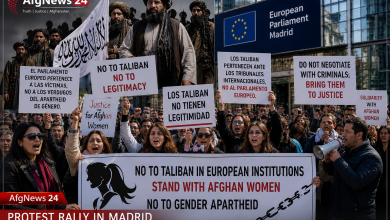
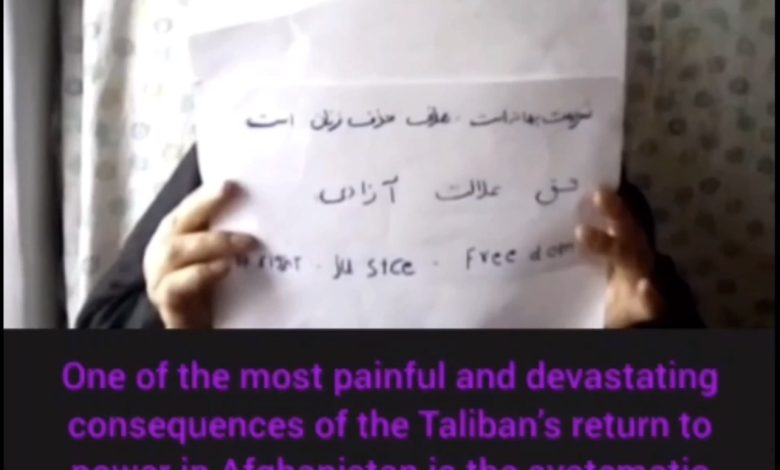
The return of the Taliban to power in Afghanistan has triggered one of the most severe human rights crises of the modern era, with women bearing the heaviest burden. Among the most devastating consequences is the systematic and deliberate deprivation of millions of educated and professionally active women of their fundamental right to work and participate in public life.
For years, Afghan women pursued education under extraordinarily difficult circumstances, including persistent insecurity, armed conflict, social pressure, and direct threats to their lives. Despite these challenges, they attended schools and universities with resilience, determination, and a strong commitment to contributing to their country’s future. Today, these same women are forcibly excluded from workplaces, institutions, and public spaces solely on the basis of their gender.
This enforced exclusion has had profound and far-reaching consequences. At the individual level, women face severe psychological distress, economic deprivation, loss of dignity, and the erosion of personal autonomy. At the family level, the removal of women from professional and income-generating roles has intensified poverty, food insecurity, and social vulnerability. At the national level, Afghanistan’s social cohesion, economic stability, and development prospects have been gravely undermined.
The systematic removal of women—particularly educated and skilled women—from scientific, academic, administrative, economic, and political spheres constitutes the deliberate destruction of a substantial portion of Afghanistan’s human capital. These policies not only reverse decades of hard-won progress but also deprive future generations of qualified professionals, leaders, and role models. The exclusion of women from decision-making processes further entrenches inequality and exacerbates the country’s ongoing humanitarian, economic, and governance crises.
The continued marginalization of women has plunged Afghanistan into a state of deep despair and uncertainty. A society that silences half of its population cannot achieve sustainable peace, stability, or development. The denial of women’s rights is not only a violation of international human rights norms but also a direct threat to Afghanistan’s social cohesion, economic recovery, and long-term prospects for peace, justice, and sustainable development.